
KLIMA Project: Investing in the Climate and Economic Resilience of Women Agro-entrepreneurs in the Philippines
November 16, 2026
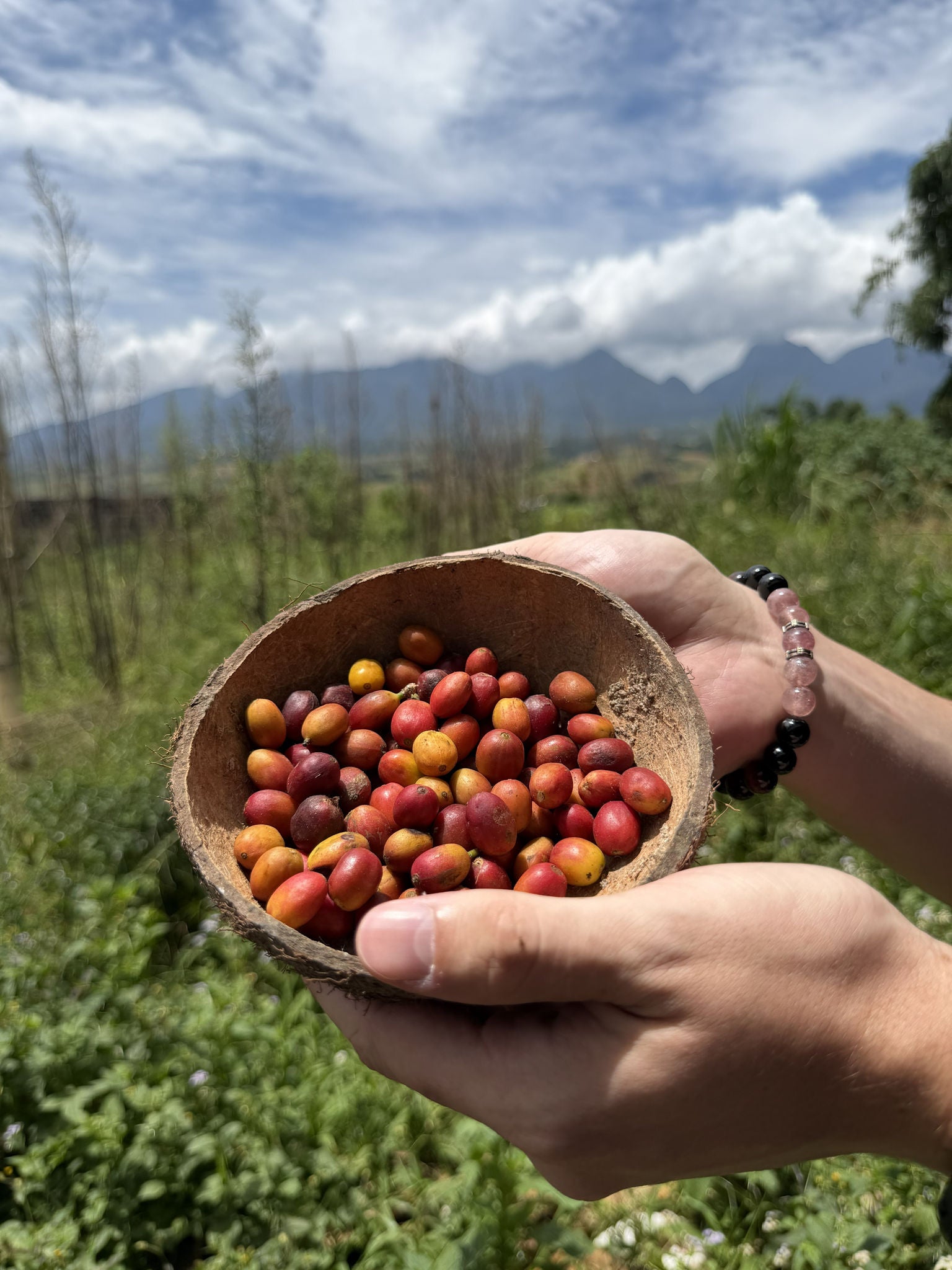
On the occasion of the 49th Summit of the Association of Southeast Asian Nations (ASEAN), Canada announces the launch of the KLIMA Project, a C$9.65 million initiative aimed at strengthening the climate and economic resilience of women active in the coffee and cocoa value chains in the face of natural disaster risks in Northern Mindanao. The project forms part of a broader C$26 million package of Canadian investments in the Philippines announced by Prime Minister Mark Carney during the ASEAN Summit, supporting the Canada-Philippines Strategic Partnership and advancing cooperation in climate-resilient agriculture, food security, infrastructure, and community resilience.
In the provinces of Bukidnon and Misamis Oriental, typhoons, floods, droughts, landslides, and extreme heat waves threaten agricultural production, agro-processing businesses, and the livelihoods of communities. Women agro-entrepreneurs and indigenous peoples are particularly affected by these risks, which compound the barriers they face in accessing productive resources, financing, markets, and decision-making spaces. Yet women play an essential role in agricultural production, rural entrepreneurship, and the economic vitality of their communities.
Funded by Global Affairs Canada and implemented by Desjardins International Development (DID), the KLIMA project will run for six years, from March 2026 to March 2032. The project will support actors across the targeted value chains to better anticipate shocks and adopt appropriate production, processing, and marketing models to build more resilient businesses.
The project is structured around three complementary pillars:
- Gender-responsive and climate-resilient agroforestry practices and landscape management solutions,
- Stronger enterprises with improved access to tailored entrepreneurial, business and financial solutions,
- Communities and local institutions with strengthened capacity to prevent, prepare for and respond inclusively to disasters.
With Landscape Alliance as a strategic partner in agroforestry and sustainable landscape management, KLIMA will draw on partnerships with local governments, financial institutions, cooperatives, universities, and research centers to promote a socioeconomic and institutional environment tailored to local realities and supportive of value chain actors and communities.
KLIMA is expected to have a direct impact on approximately 4,000 people, including at least 2,400 women, and indirectly reach more than 16,000 members of their households. More broadly, strengthening local risk management systems in seven targeted priority areas will contribute to the resilience of an estimated population of 1.4 million people.
The announcement of KLIMA in the context of the 2026 ASEAN Summit echoes the theme of the Philippine Chairmanship, “Navigating Our Future, Together.” By placing women, communities, and local institutions at the center of the initiative, the project contributes to the goals of shared prosperity, people’s empowerment, and inclusive, sustainable, and resilient development.
KLIMA reflects the shared commitment of Canada and the Philippines to advancing climate resilience, livelihood security and inclusive growth in the Indo-Pacific region through concrete partnerships.