Desjardins International Development (DID) projects
We work with partners in developing and emerging countries to provide underserved populations with access to financial services that meet their needs. Our projects foster financial inclusion around the world.
DID projects in Africa
Benin Increasing the climatic and economic resilience of small agri-businesses run by women (ARCEPE-Ahinadje)
Project 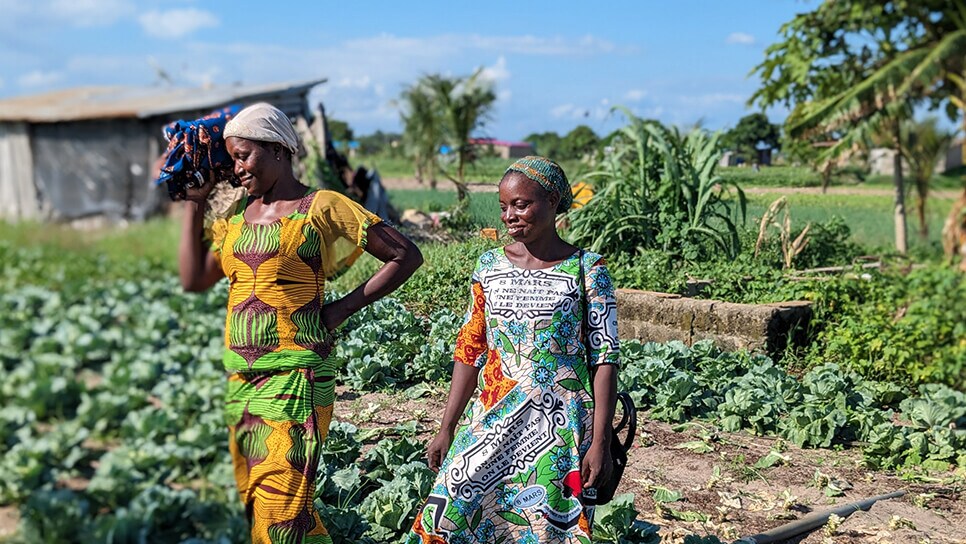
Benin Start date: 2024
End date: 2030
Funding partner
Global Affairs Canada
Other partners
Beninese inclusive finance institutions
Providers of business development services
Project description
Meaning “the market comes alive,” Ahinadje aims to strengthen the climatic and economic resilience of women-led small agribusinesses in Benin while increasing their performance, viability and contribution to decent job creation, food security and poverty reduction.
Congo and Chad Climate change adaptation for women in protected areas of Congo and Chad (ELLESadAPt)
Project 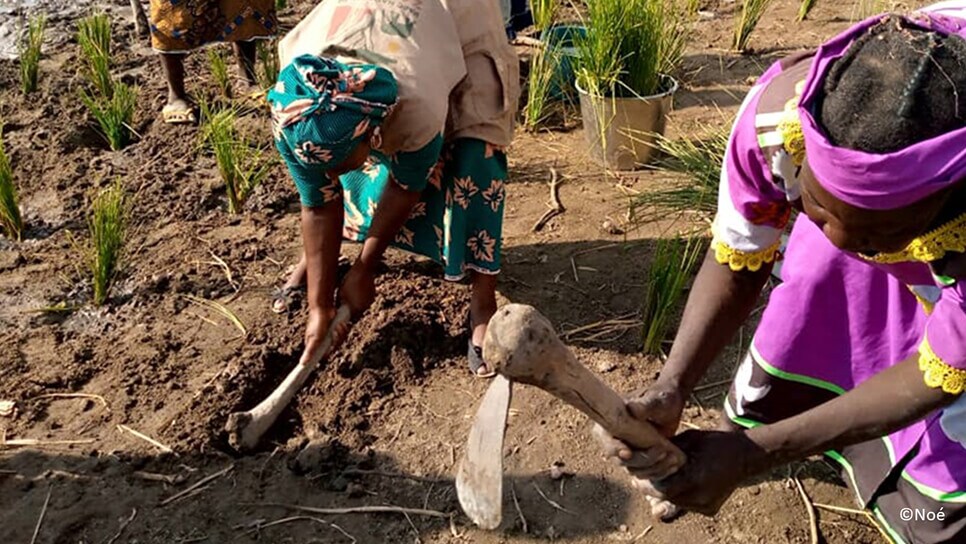
Congo and Chad Start date: December 2023
End date: March 2026
Funding partner
Global Affairs Canada, as part of the Partnering for Climate (P4C) Initiative
Implementation partners
Baastel
Noé
Several local and international organizations
Project description
The ELLESadAPt project aims to enhance the adoption of climate change adaptation solutions for women and ecosystems in the protected areas of Parc National de Conkouati-Douli (PNCD) in the Republic of Congo and Complexe d'Aires Protégées de Binder-Lere (CAPBL) in Chad, while also protecting biodiversity.
Expected results
The project's end beneficiaries will be a total of 2,100 women entrepreneurs, namely, 600 women in Congo's PNCD and 1,500 women in Chad's CAPBL. They will be directly impacted by the project by gaining the resources, skills and support needed to adopt productive nature-based solutions for adapting their natural ecosystem to climate change.
The project will also indirectly impact:
- Local communities in the PNCD and CAPBL, who will benefit from nature-based solutions and improved ecosystem services in the protected areas
- Partners working on biodiversity, natural resource management, human rights, financial education, literacy, support services for entrepreneurs and financial services, which will improve the services they offer women clients even after the project ends
- Public sector entities and their local and regional representatives overseeing work on biodiversity, climate and agriculture, which will leverage the project's outcomes to improve climate resilience in coastal and marine ecosystems and their work with women
In addition, the nature-based solutions implemented by the project will have a direct impact on the resilience of plant and wildlife biodiversity and of ecosystems over the surface area of both parks, which totals 676,405 hectares.
Ivory Coast Supporting food security and adaptation to climate change for women cassava growers (Bla ni agba)
Project 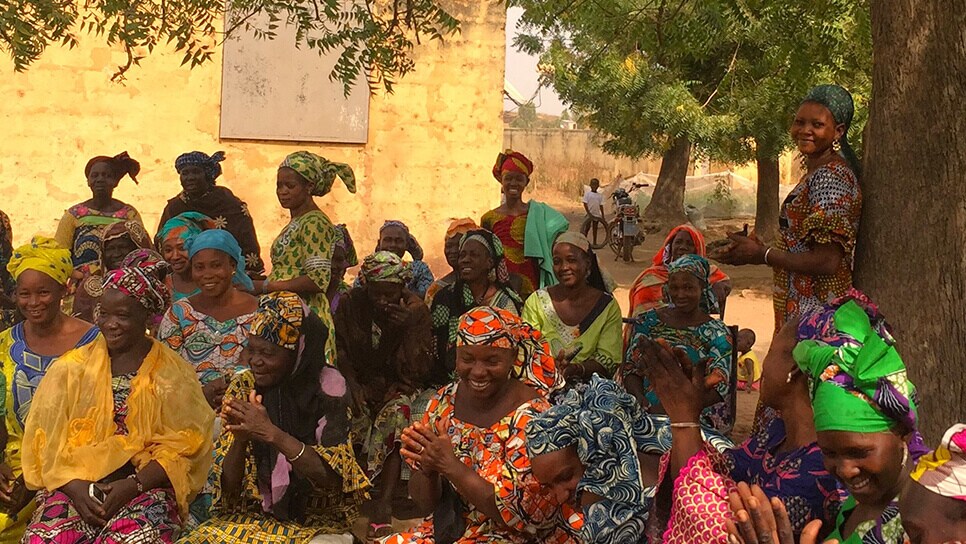
Ivory Coast Start date: March 2024
End date: March 2029
Funding partner
Global Affairs Canada
Implementation partners
Several local organizations
Project description
The Bla ni agba project will help women in the cassava sector to adopt climate-friendly agricultural and food solutions. Among other things, it will offer programs on entrepreneurship and financial education, and work closely with partner financial institutions and local professional agricultural organizations (PAOs) to improve their performance, service offering and capacity to meet the needs of women agro-entrepreneurs.
Expected results
The project will benefit the 1,500 women directly involved, as well as all members of their communities. Its scope will also extend to the project's implementing partners (like financial institutions and professional agricultural organizations) whose capacities will be strengthened in a sustainable manner.
Guinea Access to finance for businesses operating in sustainable food systems
Project 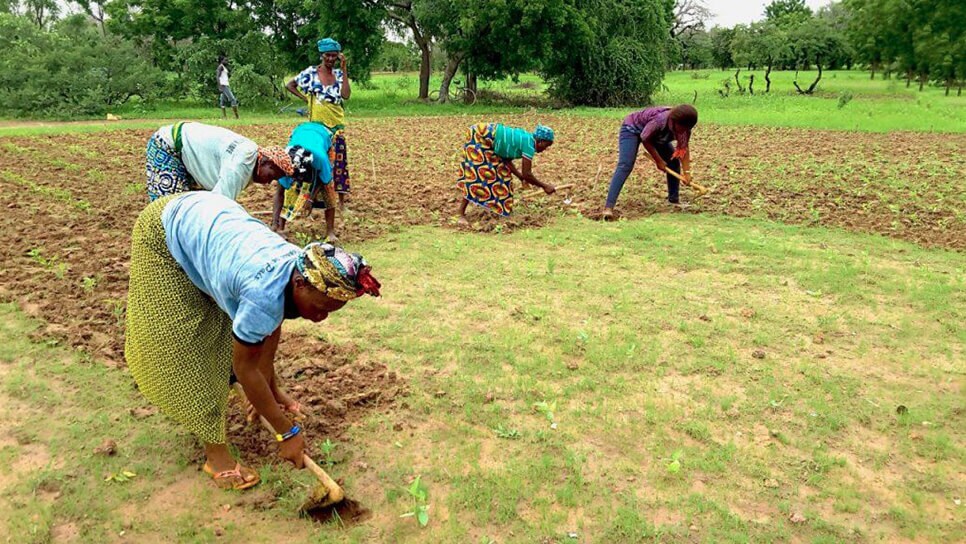
Guinea Start date: 2025
End date: 2027
Funding partner
Belgian government, through the Belgian development agency (Enabel)
Guinean partners
Inclusive finance institutions
Farmers' organizations
Project description
The main goal of this project is to empower farmers in Guinea to boost their agricultural productivity in a sustainable manner by encouraging innovation in farming practices and the adoption of nature-based solutions, such as sustainable soil and water management. Focus is placed on the strategic pineapple, potato and market gardening value chains, key sectors for Guinean agriculture.
Financial inclusion and agri-entrepreneurial support are at the heart of the project, enabling farmers to invest in more sustainable practices and actively participate in the green transition.
Kenya Debt investment to support MSME financing
Project 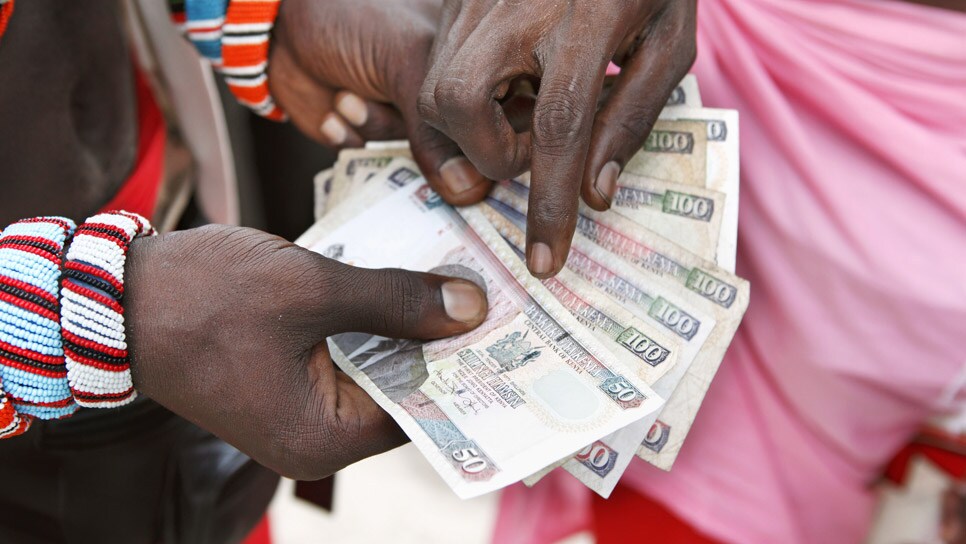
Kenya Investment year
2024
Supported institution
Premier Credit Kenya (PCK)
Total debt investment
US$3 million
Project description
Established in 2013, PCK reaches just over 115,000 borrowers through an extensive network of 99 branches and 2,600 employees. With a range of social programs and an ESG policy (covering environmental, social and governance criteria), PCK fills an important gap by offering micro and small businesses financing for working capital or modest investments, which traditional Kenyan banks don't offer.
Madagascar Debt investment to support financial inclusion of disadvantaged populations
Project 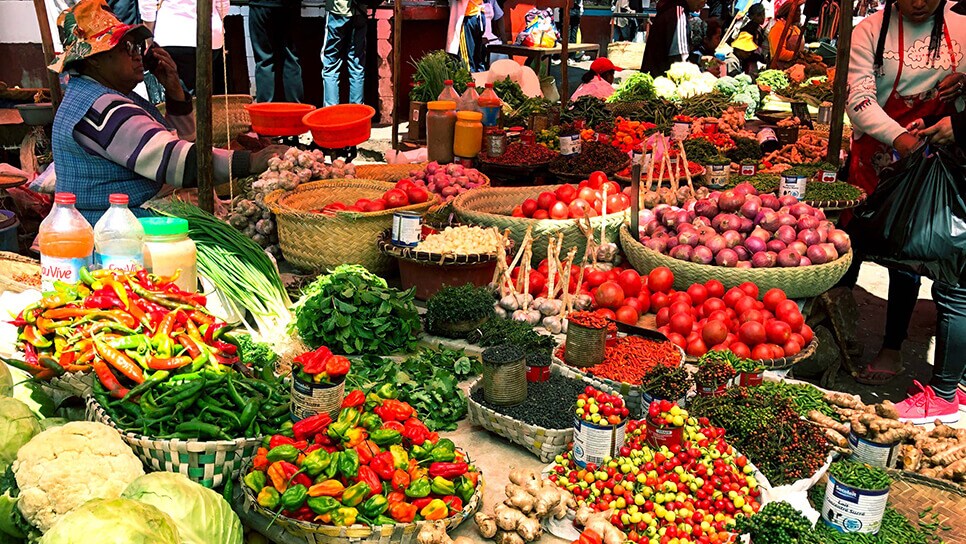
Madagascar Investment date
June 2023
Supported institution
SIPEM Banque
Total debt investment
EUR1.5 million
Project description
Since its creation in 1990, SIPEM Banque has been a key player in Madagascar's microfinance sector. The institution currently serves over 46,000 people through 23 branches, 1 business centre and 4 microfinance centres covering most regions of Madagascar. Our investment will help SIPEM reach the most disadvantaged populations in a country where financial inclusion remains very limited: according to the World Bank, only 29% of Malagasy households have access to formal financial services.
Senegal Economic and social empowerment of women and young people in Senegal
Project 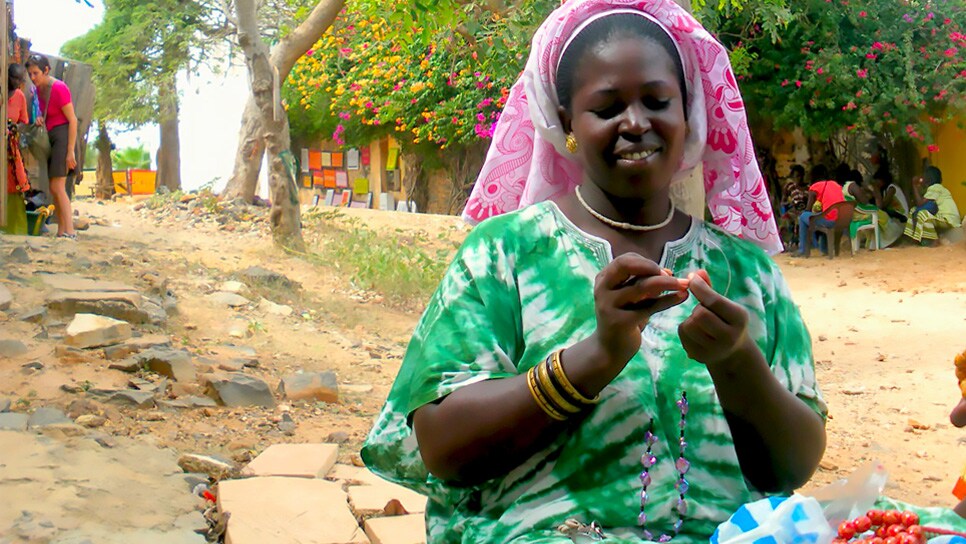
Senegal Start date: 2022
End date: 2028
Funding partner
Global Affairs Canada
Project description
The goal of the project is to promote gender equality and financial inclusion by helping women and young people access digital services and give women more social and economic power. Over the course of 6.5 years, it will focus on 3 regions in southern Senegal and 2 departments in Dakar.
The project aims to strengthen the economic power of 6,000 young graduates (60% women) and 60,000 women, including 2,000 women business leaders and 58,000 women from village or suburban groups. We estimate that the project will have an indirect impact on 500,000 people.
Senegal Strengthening the climatic resilience of mango growers in the Niayes region of Senegal (Jaww Ji Mango Niayes)
Project 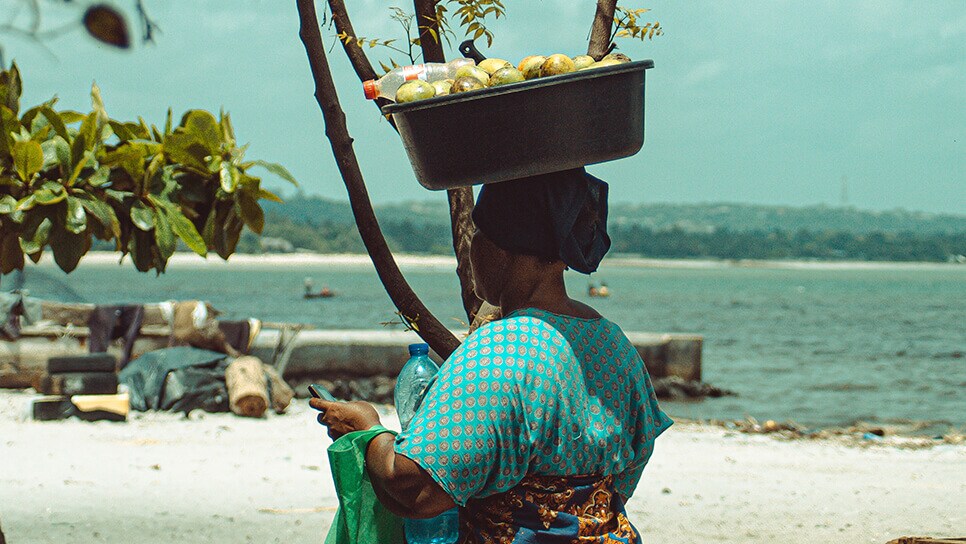
Senegal Start date: October 2023
End date: October 2026
Funding partner
Government of Quebec
Ministère de l'Environnement, de la Lutte contre les changements climatiques, de la Faune et des Parcs, as part of the International Climate Cooperation Program (ICCP)
Local partners
Union of Mutual Savings and Credit Mobilization Partnership Associations in Senegal (UM-PAMECAS)
Association of Niayes Market Growers' Unions (AUMN)
Senegalese Institute of Agricultural Research (ISRA)
Health and Sustainable Development Training and Research Unit of the Alioune DIOP University in Bambey (UADB)
Project description
The project proposes an approach based on research, needs analysis and the adoption of agroecological and agroforestry practices aimed at sustainable development of the mango value chain. This integrated, low-carbon and financially viable approach will be coordinated by key local stakeholders.
The project will draw on the experience of DID and Laval University, as well as that of several Senegalese partners.
Expected results
- Increased use of climate-resilient agroecological solutions by mango growers
- Increased integration of mango growers into the low-carbon value chain, by:
- Strengthening their capacity to process and market mango products
- Strengthening their capacity to finance climate-resilient production, processing and marketing practices
The project will directly benefit 300 mango producers over a 3-year period, in addition to having positive impacts for all members of their households.
Senegal Mobilization of renewables by women and young entrepreneurs to support sustainable economic empowerment in Senegal (Renouveau FJ)
Project 
Senegal Start date: December 2023
End date: December 2026
Funding partner
International Development Research Centre (IDRC)
Implementation partners
HEC Montréal's IDEOS Social Impact Hub
Cheick Anta Diop University of Dakar (UCAD)
National Renewable Energy Agency (ANER)
Other organizations in Senegal
Project description
Renouveau FJ aims to increase the participation of women and young people in renewable energy value chains to accelerate the energy transition in Senegal, as this transition is slow to materialize due to the many barriers that hinder the adoption of clean technologies.
The project aims to raise Senegalese women's and young entrepreneurs' awareness about this issue and to explore solutions to increase their participation in renewable energy value chains. Based on a research-action methodology inspired by collaborations between DID and HEC Montréal's IDEOS Social Impact Hub in several countries, Renouveau FJ will bring together researchers from Cheikh Anta Diop University in Dakar specializing in entrepreneurship and renewable energy, and work with the national agency for renewables and microfinance institutions in Senegal.
The 3-year project will help strengthen ties between the research and development communities and between Senegal and Canada.
Expected results
- Improved access to financing for women and young entrepreneurs in renewable energy value chains
- Increased adoption by women and young entrepreneurs of renewable energy solutions adapted to their needs
Senegal Improving access to financing through a credit-backed grant mechanism and stronger coordination between micro- and meso-finance actors and guarantee institutions (AAFIMES)
Project 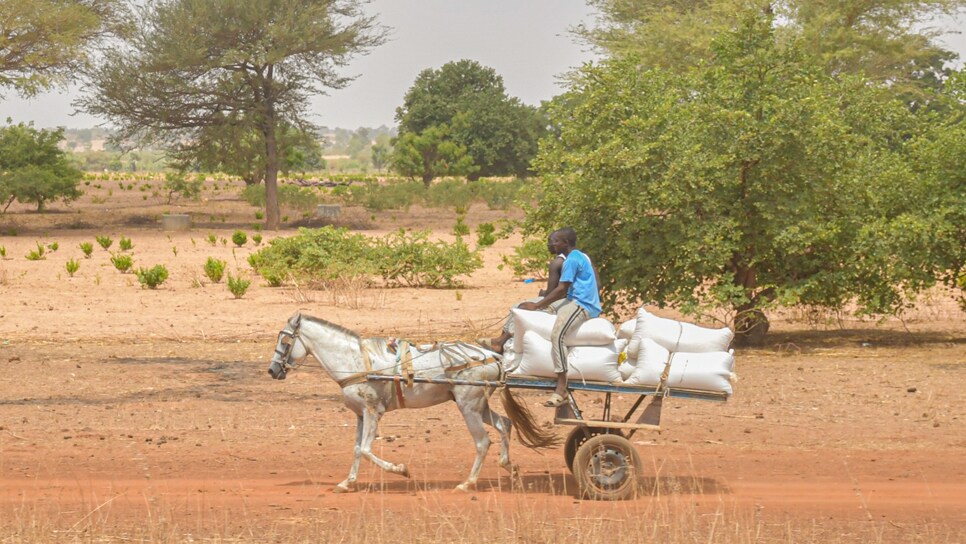
Senegal Start date: December 2025
End date: June 2028
Funding partner
Enabel
Total capital investment
CAN$1,996,019
Project description
The AAFIMES project promotes inclusive and sustainable access to financing for small businesses and producer organizations active in critical value chains. These range from grains and market gardening to aquaculture, oyster farming, food processing and non-timber forest products.
AAFIMES makes it easier for entrepreneurs, particularly young people and women, to access credit and equipment through a mechanism of grants.
To facilitate access to financing, Desjardins International Development (DID) also helps the selected financial institutions design relevant financial solutions adapted to these entrepreneurs, who are often excluded from traditional financing systems. This allows small business owners to connect with existing guarantee funds and helps them modernize their services through digitalization.
Overall, 108 SMEs and micro-businesses and 20 producer organizations will benefit directly from this project, revitalizing the local economy and promoting food security.
Chad Strengthening agropastoral women's adaptation to climate change (ELLES+)
Project 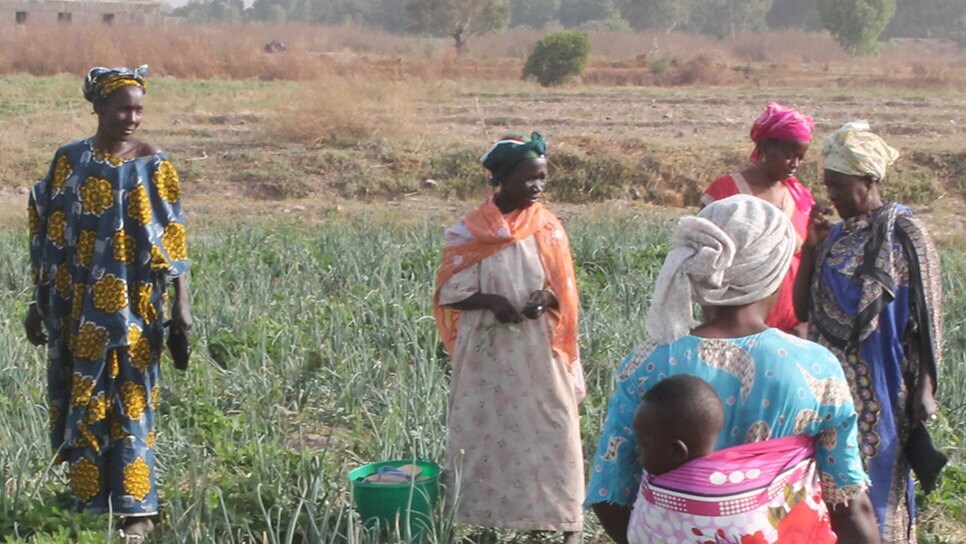
Chad Start date: March 2024
End date: March 2029
Funding partner
Global Affairs Canada
Implementation partners
Several local and international organizations
Project description
This project will be implemented in the Guéra province, which is experiencing the most rapid climate change in the country. Using an approach sensitive to conflict, gender inequality and the environment, the project will strengthen women's capacity to adopt agricultural solutions and build food systems better adapted to the climate.
ELLES+ will support women’s associations in strengthening their entrepreneurial capacities and economic autonomy. ELLES+ will also help local financial institutions develop and offer financial products and services that better meet women’s needs and promote the use of agricultural techniques that are more resilient to climate change.
The project will also aim to maximize women's economic contribution to their communities and increase their inclusion in the sphere of agricultural entrepreneurship.
Expected results
The project will have a direct impact on 1,500 women entrepreneurs, 30% of whom are young women under the age of 35, with a particular focus on widows and heads of households, 2 of the most vulnerable categories.
It will also have a positive impact on the economic empowerment, resilience, food security and poverty reduction of all households in the targeted communities.
Tunisia Financing MSMEs through capital investment
Project 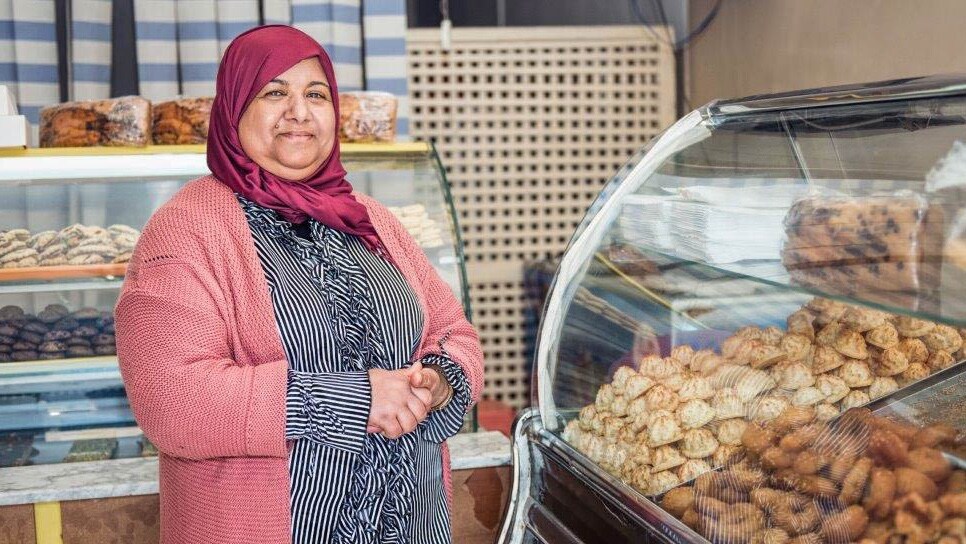
Tunisia Investment date
December 2014
Supported institution
Entrepreneur Financial Centre Tunisia
Total capital investment
CAN$2.5 million
Project description
Entrepreneur Financial Centre (EFC) Tunisia is a microfinance institution that provides financing to micro, small and medium-sized enterprises (MSMEs) in and around Tunisia's urban areas. We created the centre in 2015 and acted as promoter, investor and operator until December 2019 when we handed over the reins to a local team, marking our fifth and last successful EFC transfer.
EFC Tunisia has a process in place for assessing the social and environmental risk of the projects it finances, as well as an entrepreneur support program. In 2019, the centre also developed an official gender equality approach. It has 13 locations and more than 6,700 clients.
Zambia Financing MSMEs through capital investment
Project 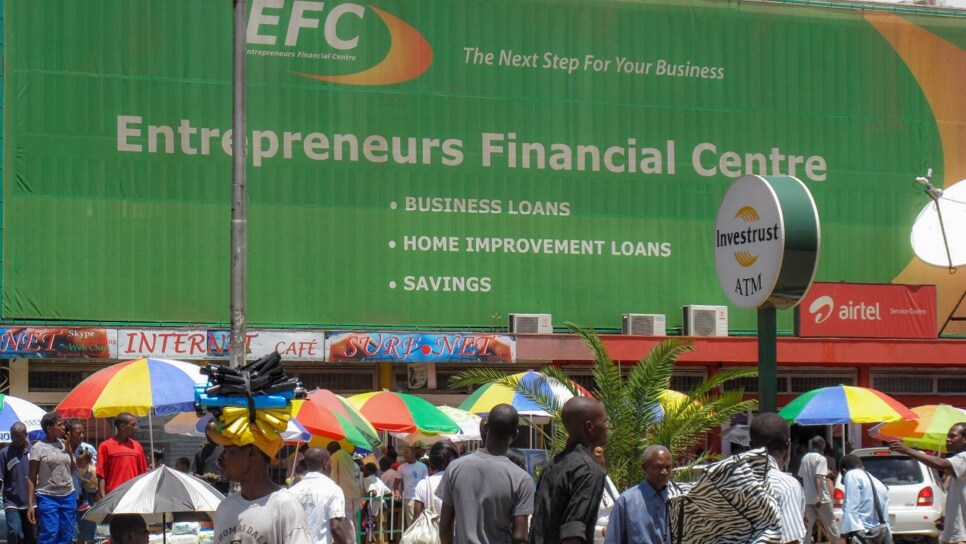
Zambia Investment date
January 2008
Supported institution
Entrepreneurs Financial Centre Zambia
Total capital investment
CAN$2.4 million
Project description
Formerly Pulse Financial Services Ltd., Limited Entrepreneurs Financial Centre (EFC) Zambia is a microfinance institution established in 2009. Our investment helps them provide financing for micro, small and medium-sized enterprises (MSMEs) in urban and rural areas of Zambia. We acted as EFC Zambia's promoter, investor and operator for 7 years until 2016, when the institution began operating autonomously under new local management. The institution serves nearly 213,000 companies, 43% of which are led by women, and employs 200 people, more than 54% of whom are women.
Zambia Debt investment to support MSME financing
Project 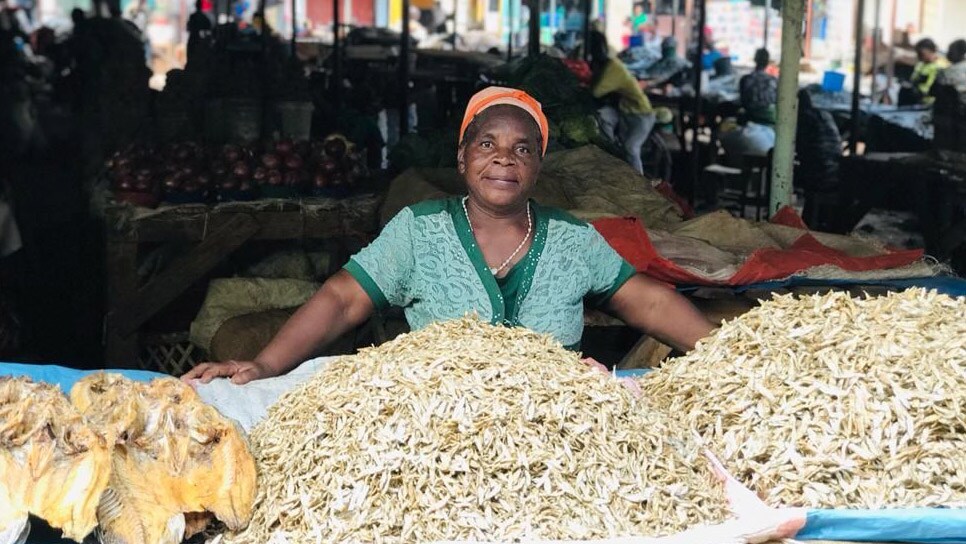
Zambia Investment year
2024
Supported institution
FINCA Zambia
Total debt investment
equivalent of US$1 million in local currency
Project description
Founded in 2001, this institution is a subsidiary of the international FINCA group, which brings together some fifteen banks and microfinance institutions worldwide, and whose mission is to reduce poverty by offering innovative financial services to low-income individuals and communities in a profitable and responsible way, so that they can invest in their future. Women make up 61% of FINCA Zambia's customer base and 50% of its Board of Directors.
DID projects in the Americas
Bolivia FEMPRESA
Project 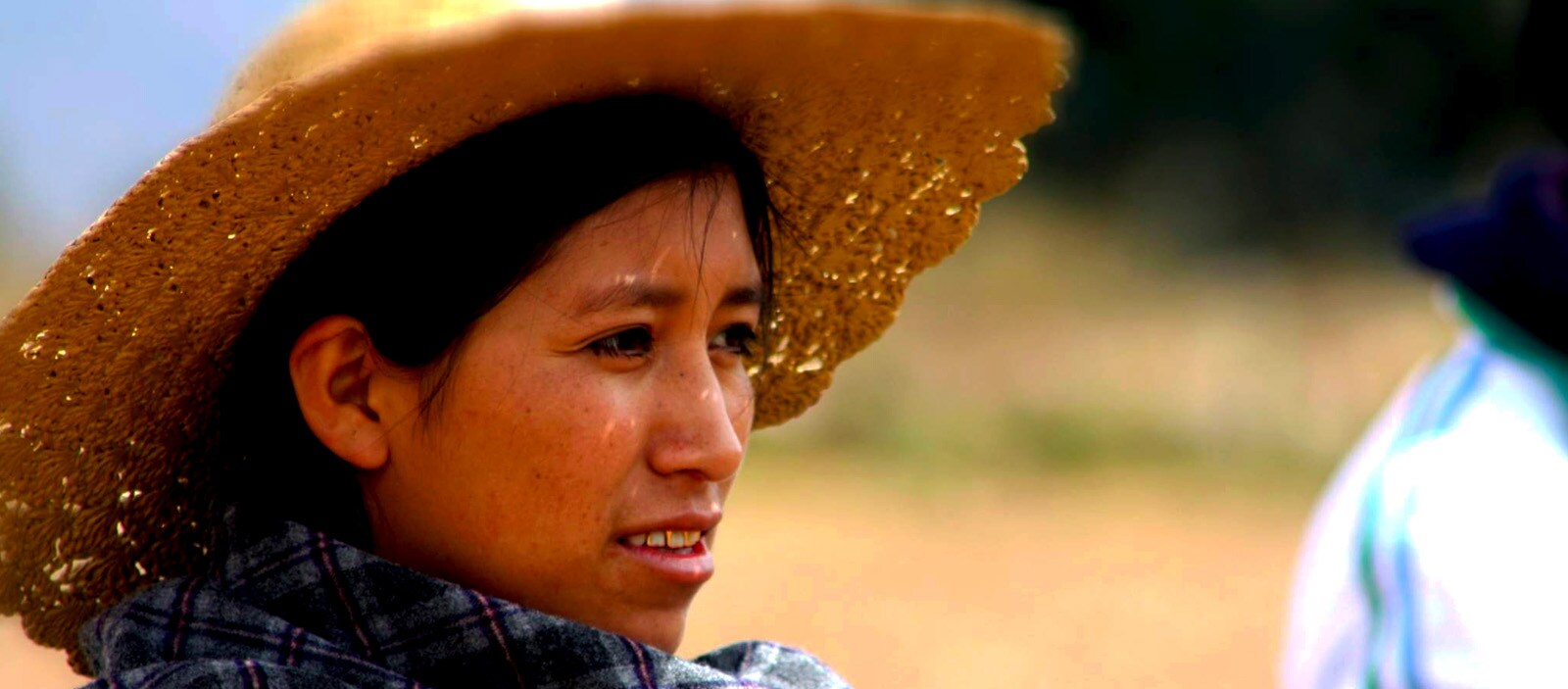
Bolivia Start date: August 2022
End date: August 2027
Funding partner
Global Affairs Canada
Project value
CAN$4,791,495
Local partners
Hábitat para la humanidad en Bolivia
Fundación Innovación en Empresariado Social (IES)
Instituto de Formación Femenina Integral (IFFI)
Project description
Foster the development of female entrepreneurship by giving women entrepreneurs access to entrepreneurial support services, in order to strengthen their managerial, financial and digital capacities (demand), and increase their access to financial and digital services adapted to their needs (supply). More specifically, the project would mitigate the gender inequalities experienced by women entrepreneurs in urban and peripheral areas in the La Paz region (including El Alto) and the Cochabamba region.
Expected results
The project will directly benefit 1,500 women-led MSMEs and contribute to creating, preserving and improving 7,500 jobs that depend on them. It would also benefit the families of these companies' employees and women leaders.
Results as of December 31, 2024
- 4,650 women were able to strengthen their financial, digital and entrepreneurial skills through the programs and modules we developed and deployed with 5 of our partners.
- 4 Bolivian inclusive finance institutions have adopted gender equality policies and adapted their service offering to the needs of women microentrepreneurs (credit, savings, insurance and gender-sensitive customer service).
- 1,753 savings accounts were opened, and 249 new loans were granted to women microentrepreneurs.
Colombia Bolstering the economic and social power of women and young people in rural areas (PROFEM)
Project 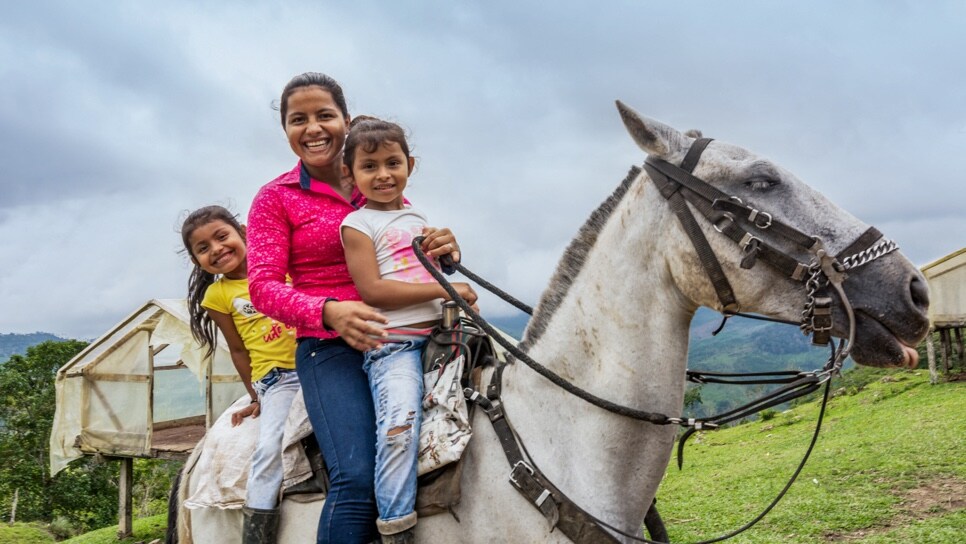
Colombia Start date: March 2020
End date: March 2024
Funding partners
Global Affairs Canada and 28 public and private Colombian partners
Project budget
CAN$4,897,236
Project description
This initiative was focused on giving rural women and young people the opportunity to establish a credit history, gain financial literacy and build confidence so they could complete their personal and business projects.
"Through this project we receive training on financial issues. I have found it excellent because the information is very diverse, very easy to understand. They also teach you that you are not alone, that there are more people out there who can support you when you need it. The program enables us to strengthen our capacities, taking advantage of the skills we each have.""
Yully Milena Arias
Berry producer and user of the PROFEM project's online training platformFinal results
- CAN$101.8 million injected by 5 participating inclusive finance institutions to finance the activities of rural women and young people
- 24,895 loans granted using the credit methodologies introduced by DID, with an average loan amount of CAN$4,100
- 81% of loans granted to women
- 19% of loans granted to young people
- Creation of an innovative CAN$5.7 million guarantee mechanism co-invested by DID
- 4,667 new loans granted thanks to this incentive
- 75.3% of these loans granted to individuals not previously served
- 21,120 people graduated from the 3 financial literacy programs deployed across the country
- 75% women
- 25% young people
Colombia Financing MSMEs through capital investment
Project 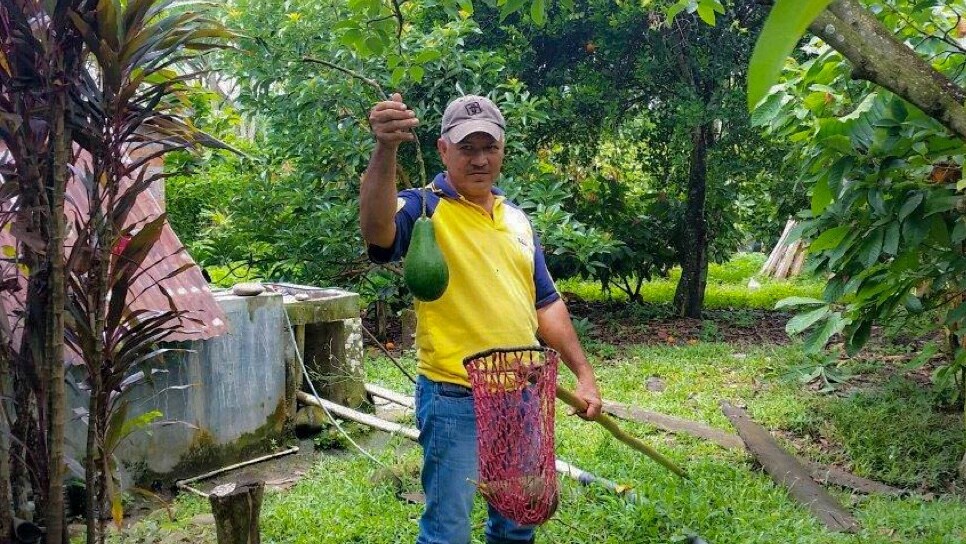
Colombia Start date: July 2019
Supported institution
Crezcamos S.A.
Total capital investment
CAN$3.2 million
Project description
Crezcamos is a Colombian microfinance institution that was established in 2008. It provides financial services for micro, small and medium-sized enterprise (MSME) owners and their families, mainly in rural areas. It offers savings and credit solutions for the farming, commerce, services, production and housing sectors, as well as solutions to help clients plan for the future, including insurance products. It has about 1,700 employees and more than 97,500 clients.
Colombia Empowering women and young agricultural entrepreneurs to make their own economic choices and adapt to climate change (Progresar +)
Project 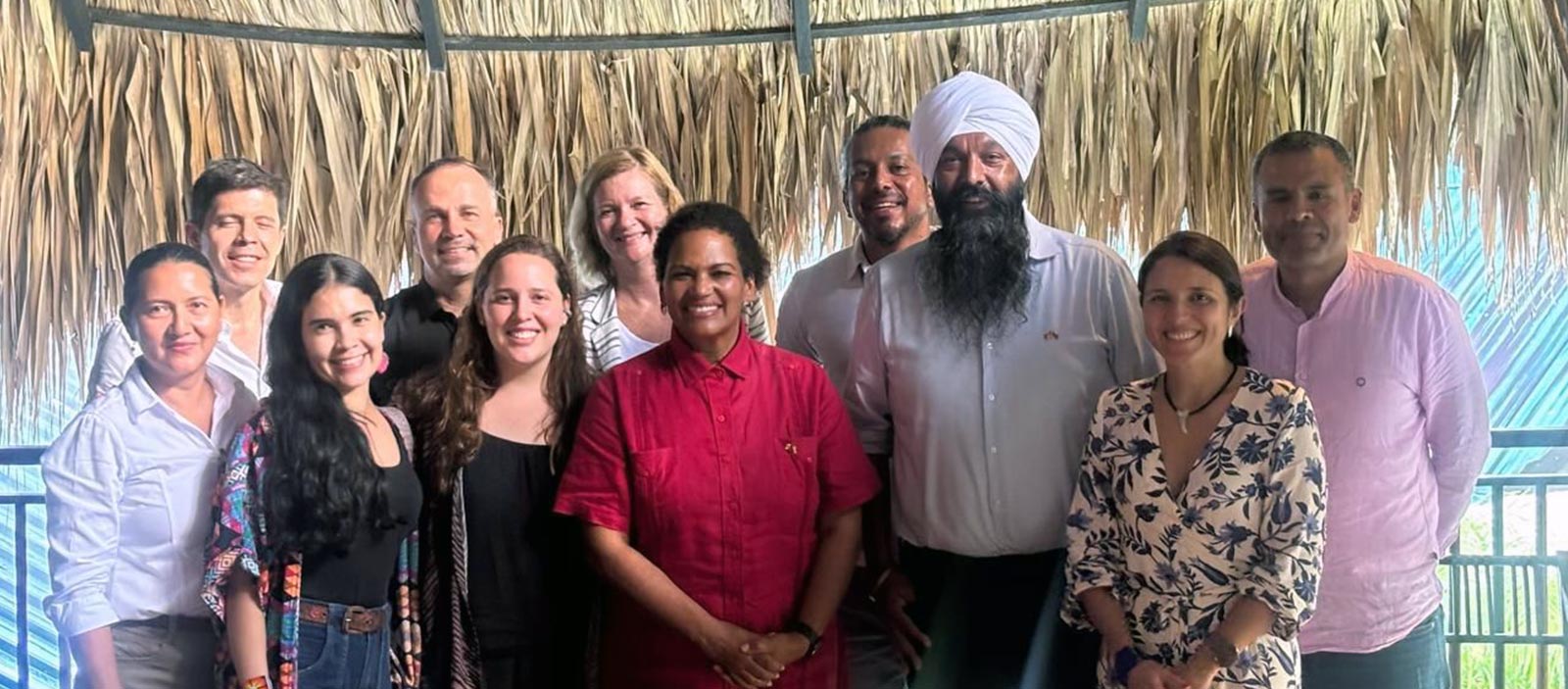
Colombia Start date: March 2025
End date: March 2030
Funding partner
Global Affairs Canada
Local partners
Colombia
FINAGRO
Banco Agrario
Coopcentral
Bancoldex
Contactar
Compañía Nacional de Chocolates
Luker
Fundación Luker
Ministerio de Medio Ambiente
Ministerio de Agricultura y Desarrollo Rural
Ecuador
BanEcuador
Fundación Pachamama
Cooperativa Coopartamos
Cooperativa 29 de octubre
Implementing partner
Conservation International
Project description
The Progresar + project aims to increase climate change adaptation and the economic well-being of women and young agricultural entrepreneurs in the Amazon region of Colombia and Ecuador. It focuses on rural, youth, indigenous and other vulnerable communities. The project makes it easier for women and youth to access the financial, technical and technological resources needed to adopt resilient agricultural practices, such as climate-smart and nature-based agroforestry solutions.
Expected results
We aim to increase the capacity to adapt to climate change among:
- 6,000 women and young people from indigenous communities
- 250 members of producer associations
- 150 public sector employees
Ecuador Debt investment to support access to savings and credit
Project 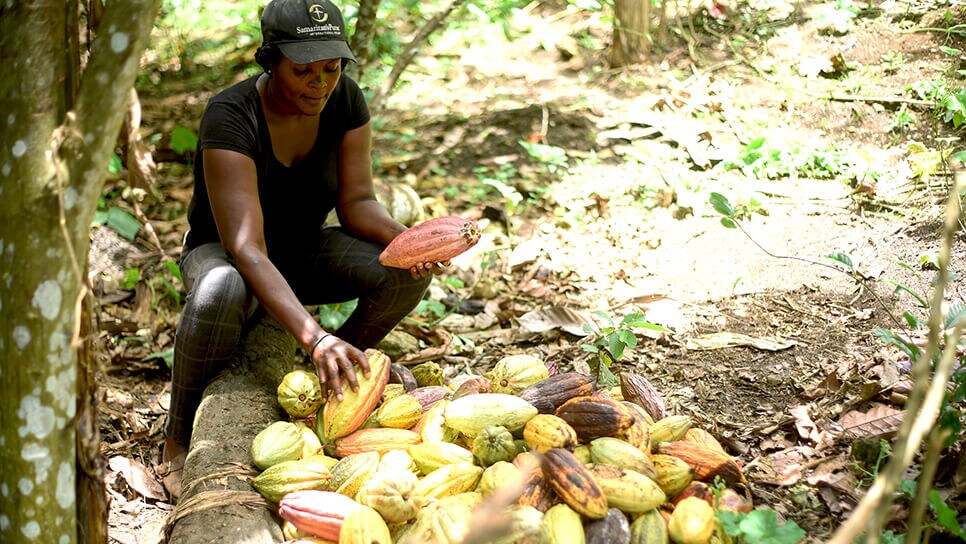
Ecuador Investment date
October 2022
Supported institution
COAC 4 de Octubre
Total debt investment
US$1.5 million
Project description
COAC 4 de Octubre is a savings and credit cooperative that offers financial services to its members in Ecuador. It offers savings, credit, and fixed-term products, as well as ATM, debit card and mobile services.
Ecuador Debt investment to support MSME financing
Project 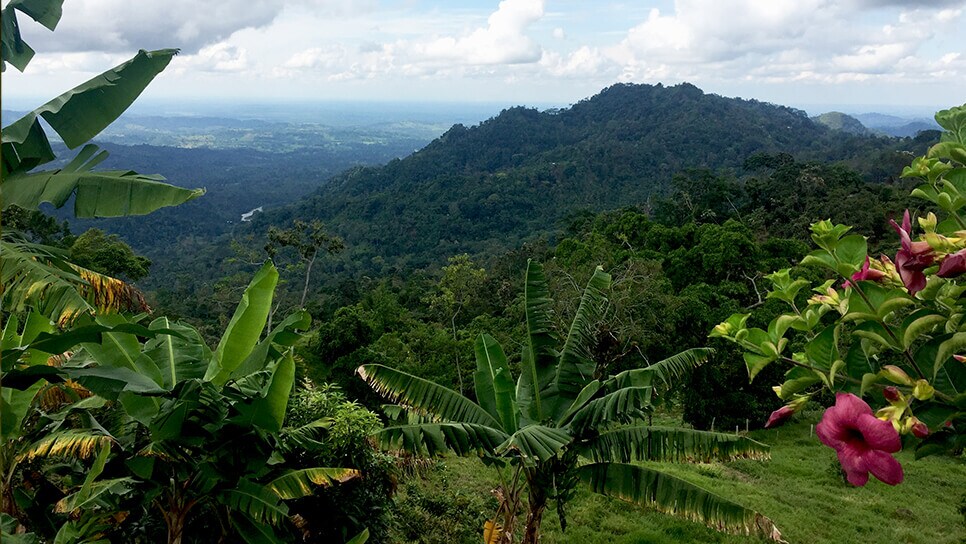
Ecuador Investment date
November 2022
Supported institution
FACES Microfinanzas
Total debt investment
US$2 million
Project description
Faces Microfinanzas is a foundation that offers microloans and technical assistance to vulnerable sectors of the population in Ecuador. Its mission is to contribute to the social and economic development of people who are productive and who wish to strengthen their micro-enterprises.
Ecuador Debt investment to support MSME financing
Project 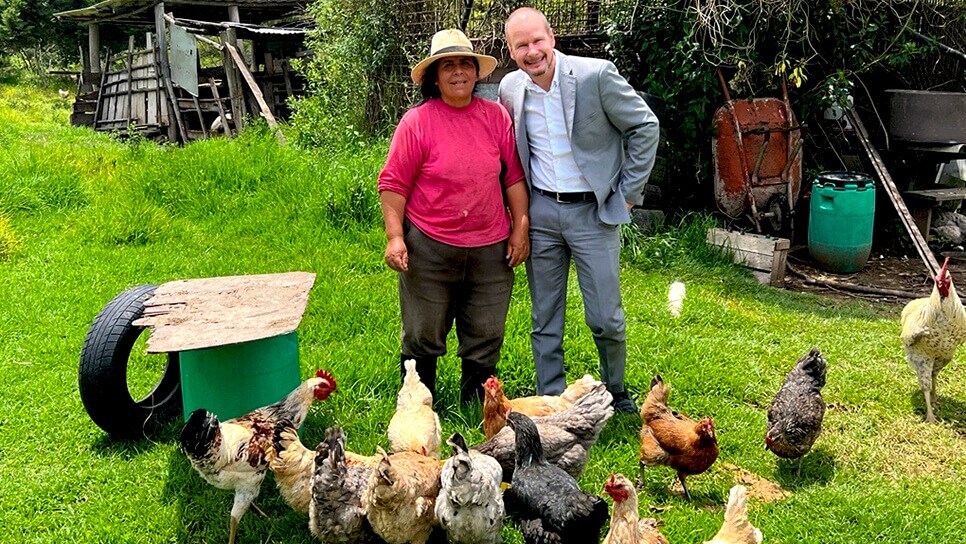
Ecuador Investment date
May 2023
Supported institution
COAC Maquita Cushunchic
Total debt investment
US$2 million
Project description
Founded in late 1997 by a group of women, Maquita now has more than 11,000 active members and 6,000 borrowers. The institution operates branches in 2 provinces of Ecuador, achieving post-pandemic stability and returning to the path of growth, with indicators and portfolio quality on the rise. With an average outstanding loan of $7,381, Maquita primarily targets micro and small businesses.
Guatemala Debt investment to support MSME financing
Project 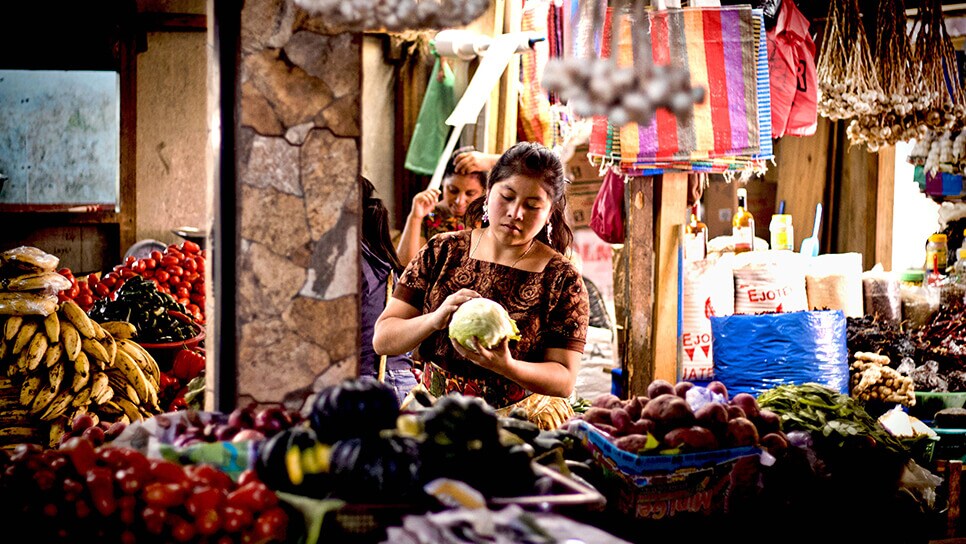
Guatemala Investment year
2024
Supported institution
ADIGUA
Total debt investment
US$1.5 million
Project description
The Association for the Integral Development of Guatemala (ADIGUA) is a non-profit NGO founded in 2003. It mainly targets the lower end of the micro and small enterprise sector. With a network of 7 branches in 5 central provinces, the institution serves 4,168 clients, more than 48% of whom are women.
Guatemala Debt investment to support MSME financing
Project 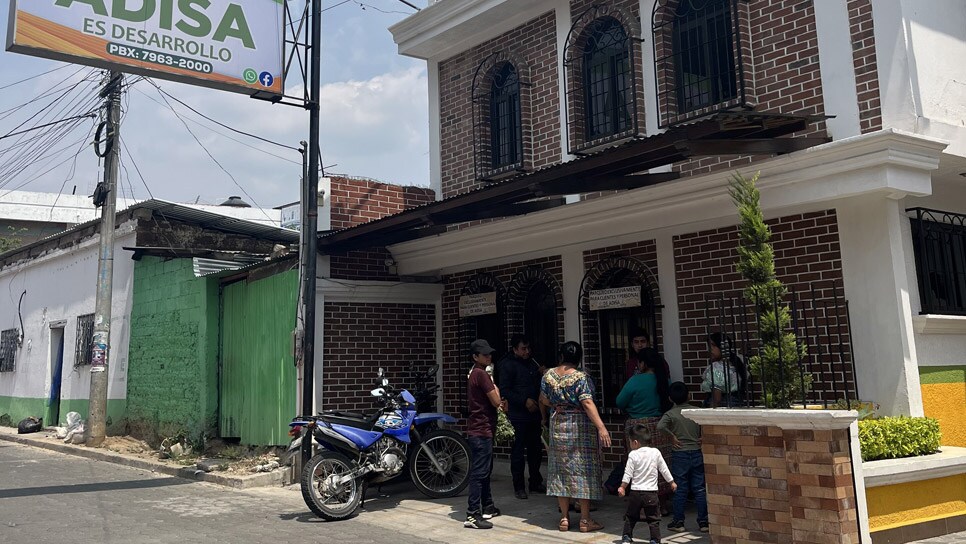
Guatemala Investment year
2024
Supported institution
ADISA
Total debt investment
US$1.5 million
Project description
Firmly rooted in rural areas where indigenous populations are concentrated, ADISA targets entrepreneurs and farmers at the base of the pyramid. The institution reaches 9,790 customers, 77.5% of whom are women, through a network of 8 branches in 9 regions in the north-central part of the country. Equipped with an environmental policy and strongly committed to improving access to education, the institution directs 76% of its loans to women.
Haiti Improving the growth of women-owned micro, small and medium-sized enterprises in Haiti (Kwasans)
Project 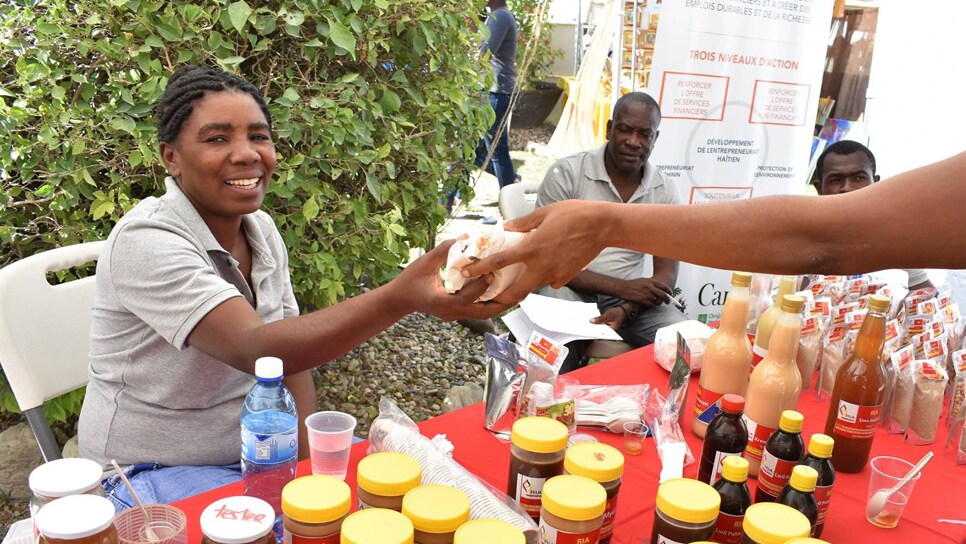
Haiti Start date: November 2024
End date: November 2029
Funding partner
Taiwan ICDF (International Cooperation and Development Fund)
Local partner
Association pour la coopération avec la microentreprise (ACME)
Project description
Kwasans—which means “growth” in Creole—is an initiative dedicated to strengthening women’s economic empowerment in southern Haiti. The project is focused on inclusive and sustainable growth by improving access to tailored financial services for women-led micro, small, and medium-sized enterprises (MSMEs).
Through targeted technical support, Kwasans works closely with partner financial institutions to build their capacity, integrate gender equality into their practices, and offer innovative financial solutions that meet the specific needs of women entrepreneurs.
By fostering a more inclusive financial ecosystem, Kwasans helps create sustainable opportunities for women entrepreneurs and stimulate local economic development.
Haiti Climate adaptation and economic development of agricultural sectors (AVETI)
Projet 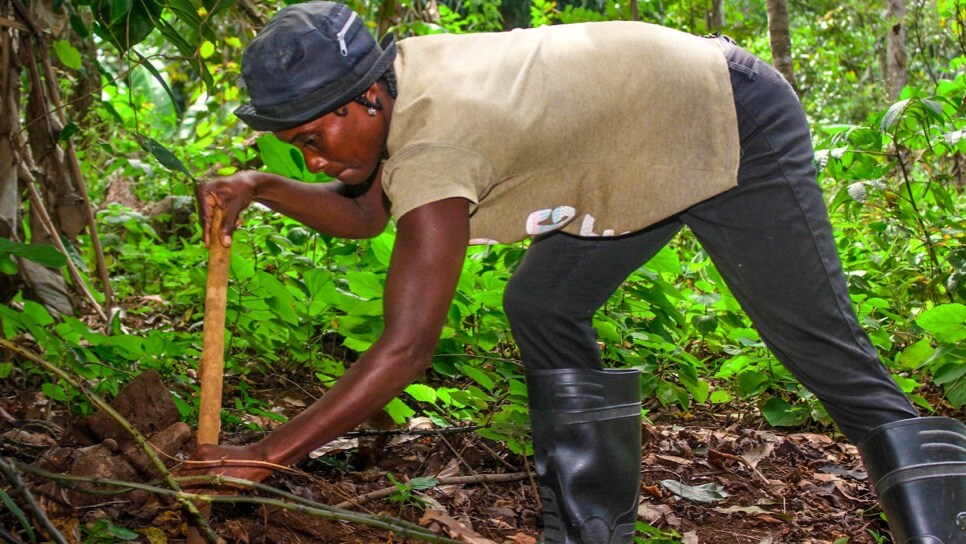
Haiti Start date: March 2019
End date: February 2024
Funding partner
Global Affairs Canada
Implementing partners
International Agricultural Alliance member organizations:
Centre for International Studies and Cooperation (CECI)
SOCODEVI
Union des producteurs agricoles – Développement international (UPA-DI)
Project description
The Climate Adaptation and Economic Development of Agricultural Sectors (AVETI) project aimed to sustainably increase the value of cacao, yam and other crops primarily managed by women, ensuring their financial empowerment and food security for their families. The project also focused on developing innovative practices to make these crops more resilient to climate change.
Our role was to increase access to financing—a key element of sustainable development—for people in the agricultural sectors targeted by the project. We advised and supported financial institutions in implementing financial services, particularly for women and young people.
"Through the project, I received agricultural training and became a member of a village savings and credit association, which helped me save money and obtain credit. The loan I received has allowed me to build up my small business, become self-sufficient and take care of my children."
Marie Anglesanne Oscar
AVETI project beneficiaryFinal results
- 63 village savings and loan associations were set up
- 2,055 people were able to save in a secure manner and access loans adapted to their needs, in partnership with the project's partner financial institutions
- 56% women
- 25% young people
- 51 associative businesses were strengthened through support and financing tailored to their needs
- 34% run by women
- 62% run by young people
Haiti Revival of Haitian MSMEs
Project 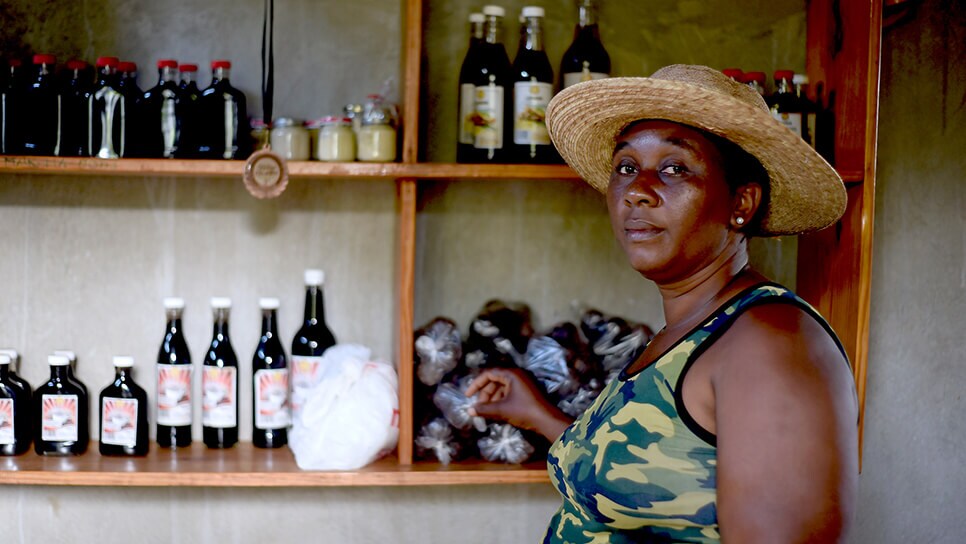
Haiti Start date: March 2022
End date: March 2027
Funding partner
Global Affairs Canada
Other partners
Haitian Ministry of Commerce and Industry
HEC Montréal's IDEOS Social Impact Hub
Several other local organizations
Project description
In Haiti, political uncertainty and an unstable social climate are severely hampering the development of micro, small and medium-sized enterprises (MSMEs), particularly those run by women.
The aim of our Relance project is to support Haitian organizations in their economic recovery efforts, in particular through the implementation of initiatives supporting the resilience and development of MSMEs. These in turn can contribute to economic security, social healing and poverty reduction in Haiti.
Expected results
- Increased use of government and private-sector programs and funds for the development and financing of MSMEs, an essential component of Haiti's entrepreneurial fabric
- A structured program of support for entrepreneurs to help them cope with shocks and strengthen their businesses in order to maintain jobs and stay in the market more sustainably
- The creation of a research chair in entrepreneurial innovation and an acceleration program to encourage Haiti's entrepreneurs to innovate and develop their businesses
Haiti Strengthening the capacity of Fonds de développement industriel to increase access to financing for MSMEs
Project 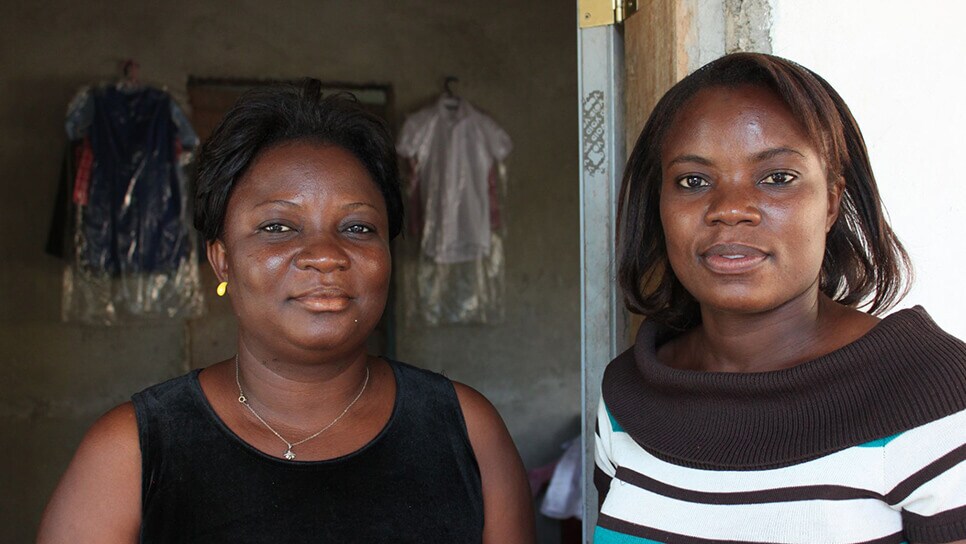
Haiti Start date: 2025
End date: 2027
Partners
Haitian government
World Bank
Fonds de développement industriel (FDI) of Haiti
Project description
This project aims to remove barriers that hinder access to finance for MSMEs, particularly those run by women and young people. To achieve this, we’re supporting Fonds de développement industriel (a Haitian inclusive finance institution) improve its capabilities in key areas like operating manuals, governance, transparency, environmental and social risk management, and change management.
As a result, the institution will be better prepared to effectively and sustainably manage the innovative financing and guarantee mechanisms that will be established with the support of the Haitian government and the World Bank.
Nicaragua Debt investment to support women entrepreneurs at the base of the pyramid
Project 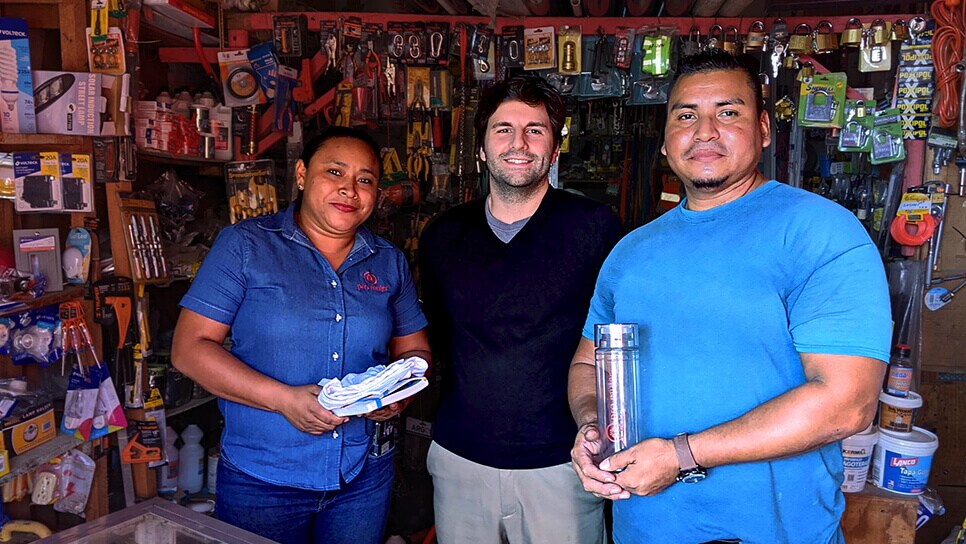
Nicaragua Investment date
June 2023
Supported institution
Pro Mujer Nicaragua
Total debt investment
US$2 million
Project description
Founded in 1996, Pro Mujer Nicaragua provides its 42,500 clients with jointly guaranteed group loans and non-financial services to promote women's health, education and empowerment. It has a network of 8 branches across the country and a portfolio of nearly $25 million.
Nicaragua Debt investment to support MSME financing
Project 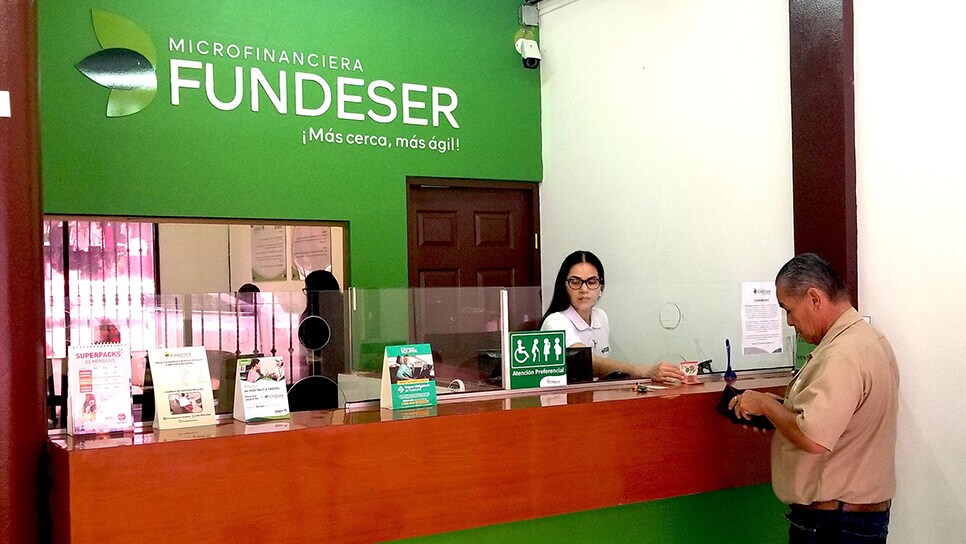
Nicaragua Investment year
2024
Supported institution
Fundeser
Total debt investment
US$2 million
Project description
Financiera Fundeser is an inclusive financial institution based in Managua, Nicaragua. Its offer of financial solutions contributes to increasing the income level of micro and small entrepreneurs, especially those living in rural areas and who are the pillars of Nicaraguan economic development. Fundeser's 21 branches cover the whole of Nicaragua. They reach a customer base of 15,673 people, 53% of whom are women, and their portfolio is mainly deployed in rural areas.
Nicaragua Debt investment to support MSME financing
Project 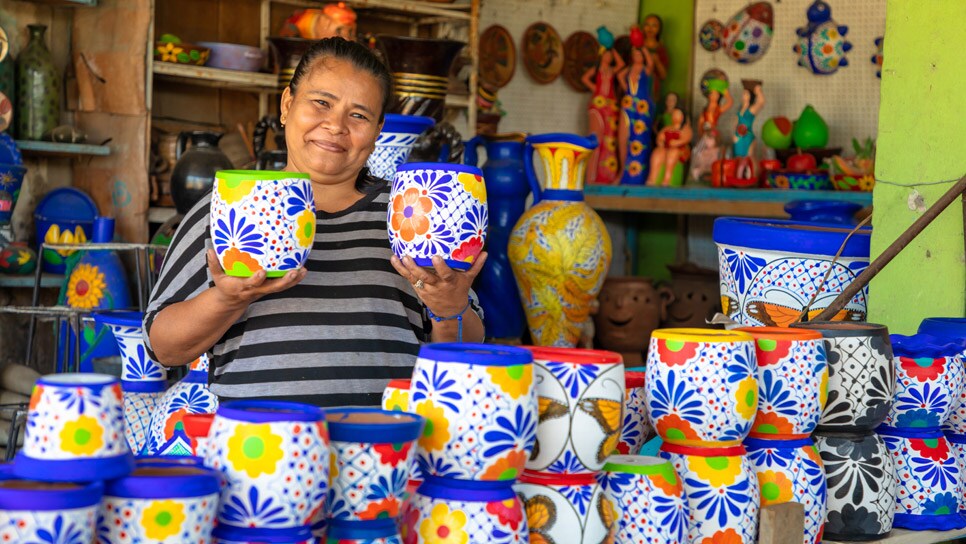
Nicaragua Investment year
2024
Supported institution
MiCrédito
Total debt investment
US$2 million
Project description
MiCrédito reaches 12,013 entrepreneurs, 60% of whom are women. Strongly committed to women's empowerment, health, education and the environment, this institution has seen the proportion of its rural clientele rise from 23.5% to 40.8% over the past 4 years.
In November 2024, MiCrédito won a 60 Decibels “Social Impact Awards”: it ranked among the top 3 of 34 Latin American financial institutions listed in the Microfinance Index 2024, which is based on interviews with over 36,000 customers of microfinance institutions.
Panama Financing MSMEs through capital investment
Project 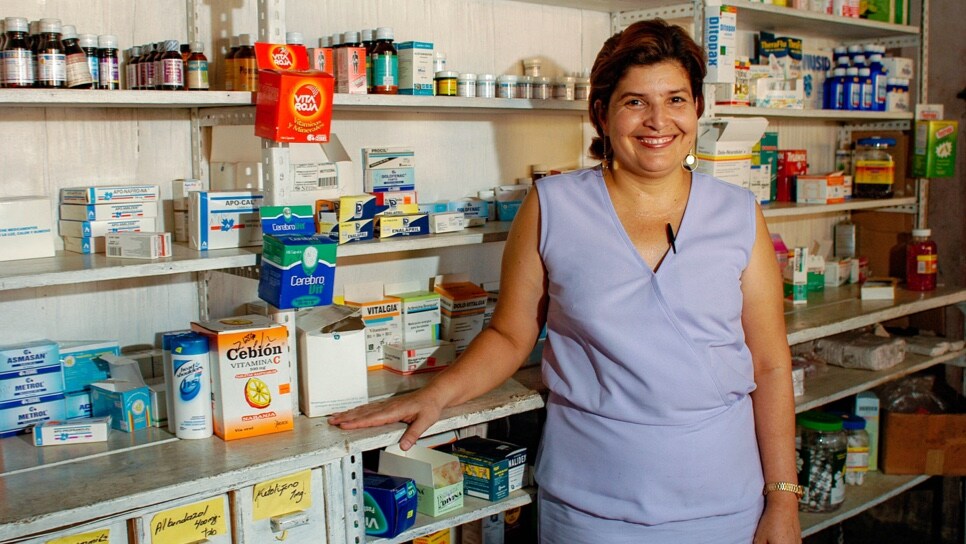
Panama Investment date
December 2009
Supported institution
Centro Financiero Empresarial
Total capital investment
CAN$2.7 million
Project description
Centro Financiero Empresarial is a microfinance institution dedicated to financing micro, small and medium-sized enterprises (MSMEs) in and around urban centres in Panama. We established the centre in 2009 and handed over the operations to a local team in 2018. The centre serves nearly 4,500 businesses and has about 190 employees, more than 53% of whom are women.
Peru Empowering women and young agroentrepreneurs to make their own economic choices and adapt to climate change (Ellas+Resilientes)
Project 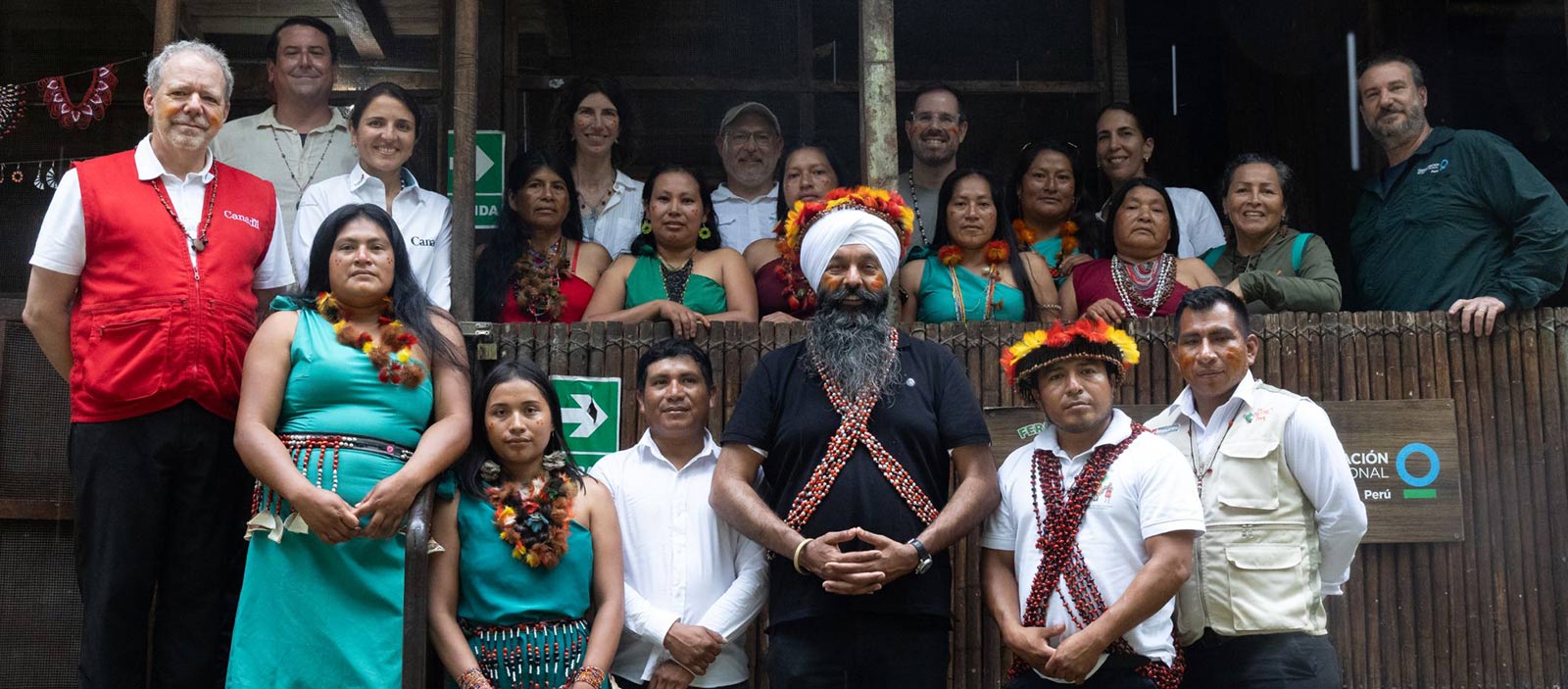
Peru Start date: February 2025
End date: March 2030
Funding partner
Global Affairs Canada
Local partners
Local financial institutions (including Agrobanco, Cooperativa Norandino, Caja Piura)
Local associations of financial institutions (including FENACREP, FEPCMAC and ASOMIF)
Regional Federation of Awajun Indigenous Peoples of Alto Mayo (FERIAAM)
Public bodies (including the Ministry of the Environment, COFIDE)
Implementing partner
Conservation International
Project description
The Ellas+Resilientes project is focused on empowering women and young agroentrepreneurs in the Peruvian Amazon towards economic autonomy and climate resilience. The Awajun indigenous communities living in the Mayo River basin are particularly affected by this situation. Our support focuses on economic empowerment and the development of their culture and traditional knowledge.
Expected results
Through innovative training and investments, encourage the adoption of nature-based solutions to protect, restore and sustainably manage agroforestry ecosystems.
Working with state organizations and financial institutions, increase access for women and youth to financial products and services tailored to their needs and promote sustainable practices.
Strengthen cooperation between the various public and private players in the implementation of innovative financing mechanisms that help women and young people adapt to the effects of climate change.
El Salvador Debt investment to support MSME financing
Project 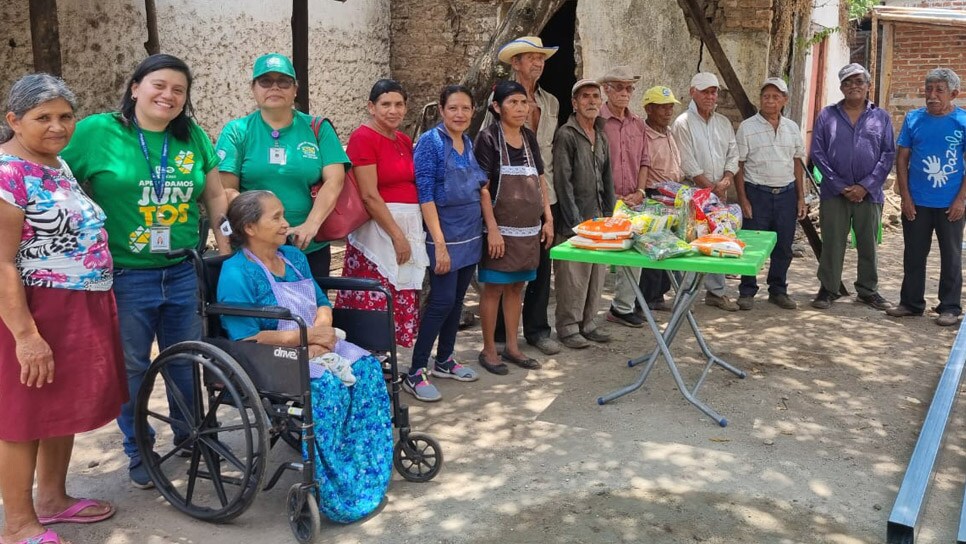
El Salvador Investment year
2024
Supported institution
ENLACE
Total debt investment
US$2 million
Project description
Set up with the support of several development partners, ENLACE officially began operations in 2002. Today, this institution:
- Has 16 branches across the country, with a strong presence in rural areas.
- Reaches over 55,000 entrepreneurial clients, 80% of whom are women.
- Has an average outstanding loan of USD 679, primarily targeting the bottom of the pyramid of micro and small businesses.
- Is deeply committed to socio-economic development and improving the quality of life of El Salvador's vulnerable populations.
DID projects in Asia
Georgia Debt investment to support the financing of agricultural MSMEs
Project 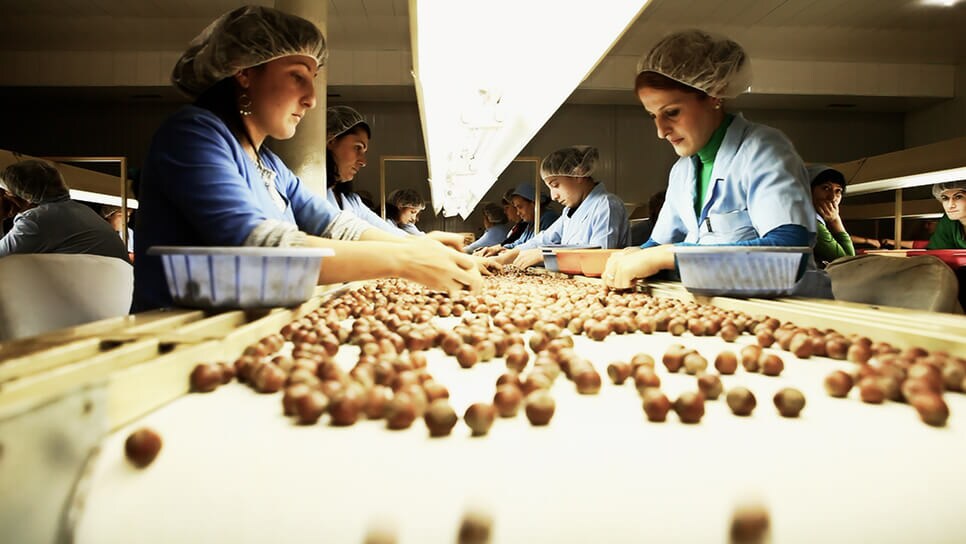
Georgia Investment date
July 2023
Supported institution
Lazika Capital
Total debt investment
US$1.5 million
Project description
Lazika Capital sets itself apart by focusing exclusively on regions far from urban centres. This makes all the difference for smallholders and family businesses. Lazika offers a wide range of financial services (credit, funds transfer, payment services) tailored to the needs of farmers and microentrepreneurs. It also makes sure to reach women, who make up 52% of its clientele.
Tajikistan Increasing access to credit through debt investment
Project 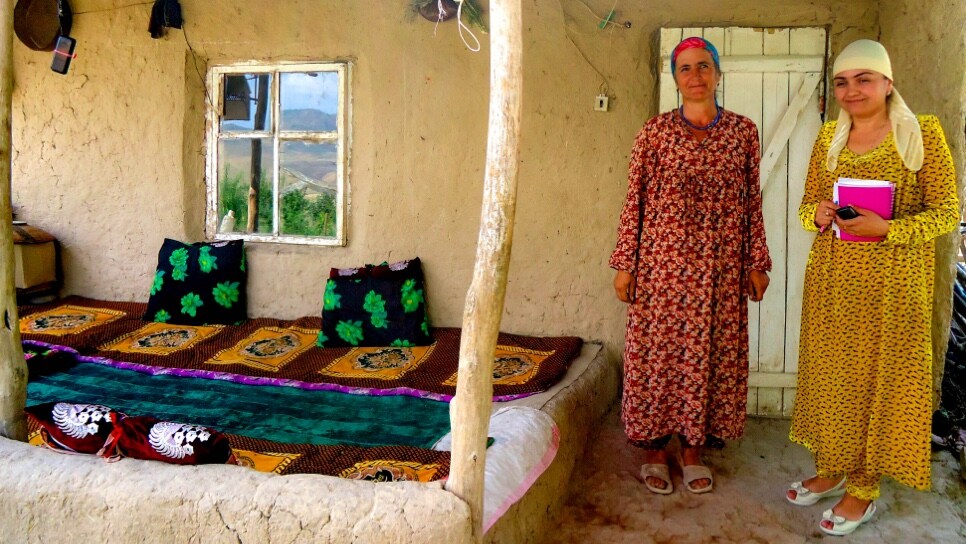
Tajikistan Investment year
2023
Supported institution
Humo
Total debt investment
The equivalent of US$2 million in local currency
Project description
Humo is a socially responsible, community-based organization that was launched in June 2008 as part of a microcredit program aimed at bringing affordable financial services to vulnerable, low-income populations in Tajikistan.
Humo takes part in various projects to promote climate resilience and sustainable agriculture with partners such as the Asian Development Bank, the World Bank and the European Bank for Reconstruction and Development. The organization is known for helping promote private sector investment in Tajikistan and supporting gender equality and climate resilience.
It's the third-largest microfinance institution in Tajikistan and provides loans to more than 83,000 clients, 43% of whom are women.
Vietnam Strengthening the People's Credit Funds (PCF) network
Project 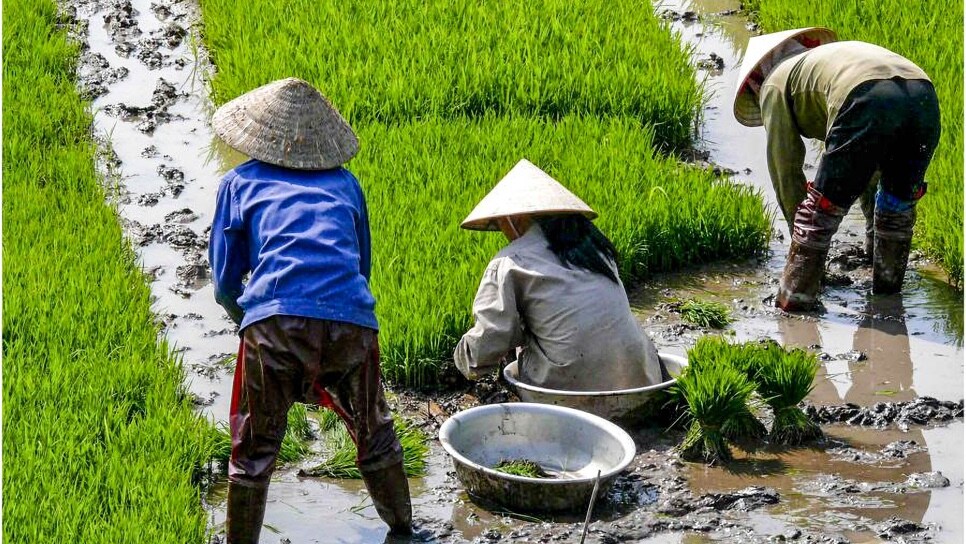
Vietnam Start date: March 2016
End date: March 2024
Funding partner
Global Affairs Canada
Impact
2 million people supported across the PCF network
Project description
This project aimed to improve the integration and performance of the Cooperative Bank of Vietnam (Co-opBank) and its People's Credit Funds (PCF) network to offer a range of financial products and services to a rural client base.
"My family took out a loan at the PCF to start a fruit, livestock and aquaculture farm. After a few years, our farm began to generate regular income and our quality of life improved. I see the PCF as an effective source of funding for rural families to help stimulate the local economy."
Ta Van Tri
Member of Quat Dong PCF in HanoiFinal results
- An e-banking system was rolled out in 948 PCFs (cooperatives), representing over 86% of the national network, facilitating remittances which now total CAN$166 million annually.
- 12,883 entrepreneurs (60% of them women) were able to adopt better financial behaviours, strengthen their management skills and increase their income in a sustainable way thanks to the Co-opSmart educational application, one of the first in the country.
- 7,960 people were able to obtain farm, business or group loans.
- More than 28,000 people saw their living conditions improve.
- A more resilient, accessible and efficient national financial system, thanks to the systemic changes brought about by the project (improved reporting processes, simplified membership).
Vietnam Biodiversity and livelihoods for ethnic minority women (Bloom)
Project 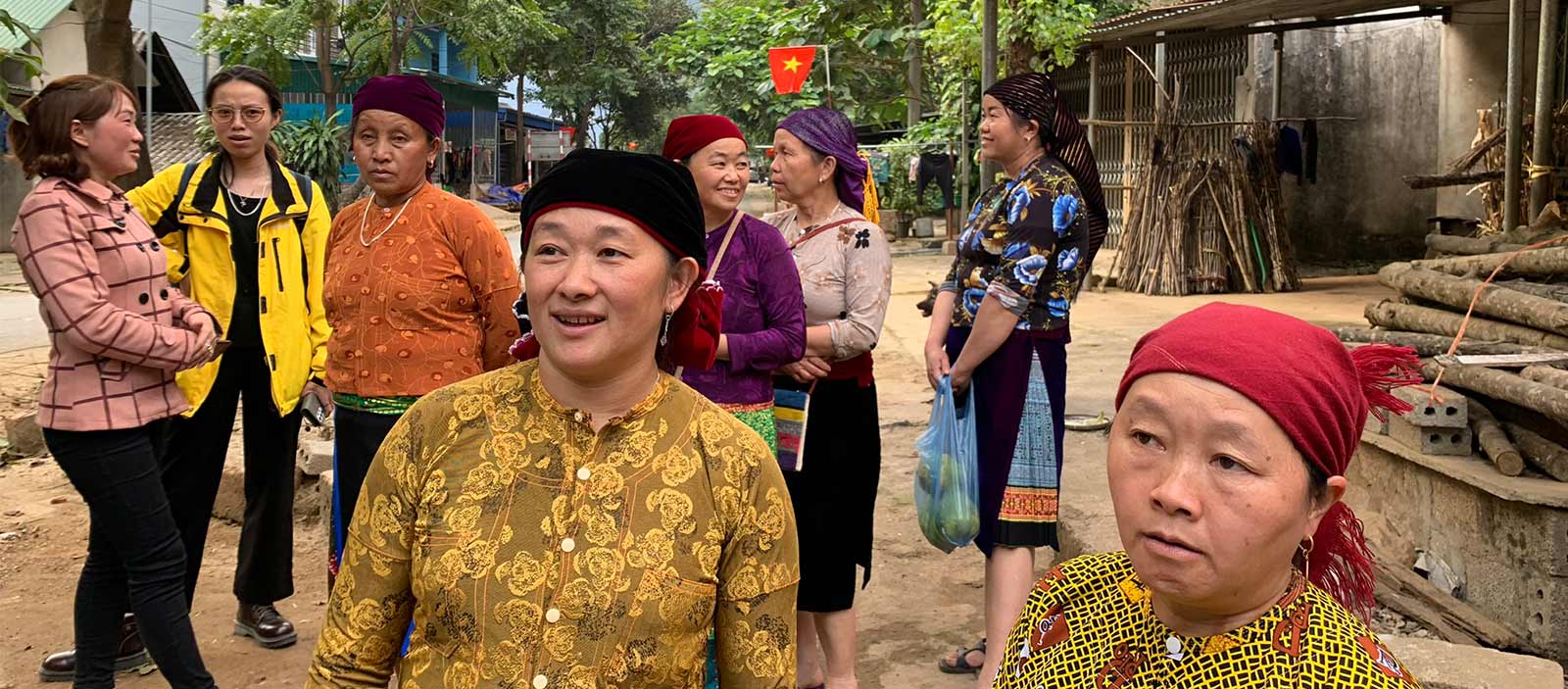
Vietnam Start date: February 2025
End date: March 2031
Funding partner
Global Affairs Canada
Implementing partner
SOCODEVI
Project description
The Bloom project aims to empower women from ethnic minorities, promote biodiversity conservation and build climate resilience. We aim to give women sustainable access to financial services and knowledge that will enable them to adopt entrepreneurial and agricultural practices that respect biodiversity and are resilient to climate change.
Expected results
This project will contribute to restoring or conserving at least 10,000 hectares of strategic forest ecosystems for biodiversity, focusing its support on buffer zones, national reserves and classified forests.
Bloom will directly improve the living conditions and climate resilience of 2,720 people from ethnic minorities and their families, while indirectly benefiting nearly 25,000 people through enhanced environmental services.